The Master of Education (M.Ed. General) at Madhyabindu Multiple Campus is a two-year, four-semester postgraduate program affiliated with Tribhuvan University under the Faculty of Education. The program is offered in Kawasoti Municipality–3, Nawalparasi, Gandaki Province, Nepal.
M.Ed. is structured for advanced study in education through professional core courses, specialization-area study, teaching practice or practicum, and thesis writing. At Madhyabindu Multiple Campus, the program runs within a broader academic setting that includes undergraduate and postgraduate study, library and e-library support, scholarship provisions, and regular academic guidance. The course is suited to students who want deeper preparation in teaching, educational leadership, research, and education-related professional work.
Course Name: Master of Education (M.Ed. General)
Institution: Madhyabindu Multiple Campus
Location: Kawasoti Municipality–3, Nawalparasi, Gandaki Province, Nepal
Affiliation: Tribhuvan University
Faculty: Faculty of Education
Academic System: Semester
Duration: 2 years
Total Structure: 4 semesters
Credit Requirement: 69 credit hours
Normal Completion Period: 24 months
Maximum Duration: 5 years
Semester Fee: Rs. 30,000 per semester
Admission Basis: Entrance examination and merit-based selection
The M.Ed. program follows a four-semester structure designed for advanced academic and professional study in education. The course combines core professional study with specialization-area courses, teaching practice or practicum, and thesis writing.
The main academic components are:
7 core courses carrying 21 credit hours
17 specialization courses carrying 39 credit hours
Teaching Practice or Practicum carrying 3 credit hours
Thesis Writing carrying 6 credit hours
The semester pattern is organized as follows:
First Semester: Core courses and specialization courses
Second Semester: Core courses and specialization courses
Third Semester: Core courses and specialization courses
Fourth Semester: Core courses, elective course, teaching practice or practicum, and thesis writing
Core professional courses include:
Foundations of Education
Advanced Educational Psychology
Curriculum Practices
Education and Development
Research Methodology in Education
Measurement and Evaluation in Education
Contemporary Educational Issues
The final semester includes practical academic work. Students complete teaching practice or practicum and also undertake thesis writing through proposal development, research work, presentation, and final submission.
Prepare qualified and competent teachers for upper high schools
Develop educational planners, administrators, managers, supervisors, and other education professionals
Strengthen educational leadership and educational transformation capacity
Build advanced subject knowledge in the chosen specialization area
Connect theory, pedagogy, and research with practice
Promote research-based and reflective work in education
The M.Ed. program has academic and professional relevance in teaching, educational administration, training, research, and education-related institutional work. Its structure goes beyond classroom teaching by combining advanced coursework with research, specialization study, and practical academic components.
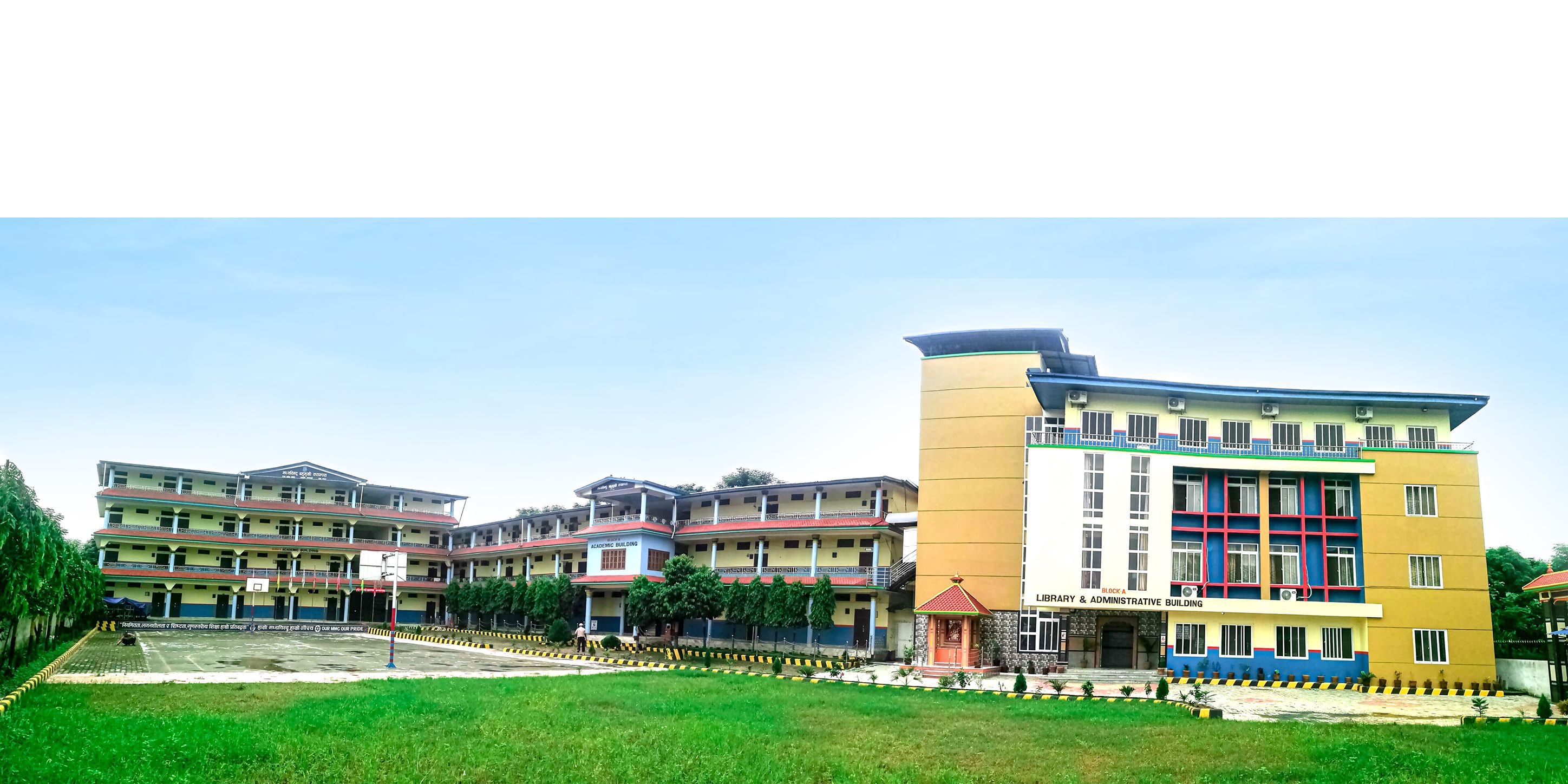
At Madhyabindu Multiple Campus, the program is offered in a setting that supports postgraduate students through library access, e-library services, extra classes, and student-support structures. The campus also runs programs from Grade 11 to the master’s level, which places M.Ed. students in a broader academic environment linked with teaching and higher study.
After completing the program, students are expected to:
Understand advanced concepts in education, pedagogy, and educational research
Apply educational theory in teaching and professional practice
Use research methods in academic and institutional settings
Strengthen evaluation, curriculum, and classroom-related understanding
Carry out teaching practice or practicum work
Complete thesis-based academic research
Work in teaching, leadership, training, and education-related professional roles
Educational foundations
Advanced educational psychology
Curriculum practices
Education and development
Measurement and evaluation
Research methodology in education
Academic writing and thesis preparation
Teaching practice or practicum
Seminar and presentation work
Specialization-area study
The M.Ed. program combines lecture-based study with applied academic work. The teaching-learning process includes classroom instruction as well as practice-oriented activities connected to research and professional preparation.
The main teaching methods include:
Lecture sessions
Project work
Assignments
Seminar
Case studies
Field studies
Teaching practice or practicum
Thesis supervision and presentation
At the campus level, students also study in an environment supported by a separate library building, e-library services, academic support units, and extra classes. The wider campus setting is also connected with UGC quality assurance and re-accreditation in the institutional context.
M.Ed. graduates may move into areas such as:
Teaching at the upper school level
Educational administration and management
Training and academic support roles
Research institutes and education-related projects
NGOs and INGOs working in education, youth, and human resource development
Writing, editing, counseling, and analyst roles connected with education
Government-sector opportunities
Further academic and research pathways in education
Students at Madhyabindu Multiple Campus have access to campus scholarship support and related student assistance.
At least 3% scholarship support from total student tuition fees at the campus level
Support for genuine or poor students
Support for minority and marginalized groups
Support for children of martyrs
Named scholarship support through campus scholarship funds
Cash support and awards linked to academic performance and student need within the campus support system
TU-affiliated postgraduate program under the Faculty of Education
Two-year, four-semester structure with thesis and teaching practice
Campus environment that includes programs from Grade 11 to the master’s level
Separate library building with e-library support
More than 12,691 textbooks and reference materials in the campus library system
Extra classes and exam-oriented academic support
Scholarship support for eligible students
Community-campus setting in Kawasoti with established academic administration
Applicants must meet the eligibility requirement for M.Ed. admission
Students with B.Ed. or Post-Graduate Diploma in Education from Tribhuvan University or a recognized university are eligible for admission
Admission to specialization areas is subject to the relevant subject-specific qualification
Applicants submit the prescribed application form with personal and past academic details
Admission includes an entrance examination
Selection is based on marks obtained in the entrance examination
A merit list is published after the entrance process
Final enrollment is completed after document submission and fee payment
Bachelor’s transcript or marksheet
Bachelor’s degree certificate or provisional certificate
Character certificate from the bachelor-level institution
Migration certificate, if the bachelor’s degree is from another university
Transfer certificate
Citizenship certificate or birth certificate copy
Passport-size photographs
Entrance examination scorecard, if required
Completed admission or application form
Admission fee payment receipt
Equivalence certificate, if the qualification is from a foreign university
The M.Ed. program follows the semester system. Taught courses are evaluated through internal and external assessment, with 40 percent weight assigned to internal evaluation and 60 percent to the semester-end external examination. Students must pass separately in both components.
Internal evaluation includes attendance, participation in learning activities, assignments, and final internal assessment. A minimum of 80 percent attendance is compulsory. Semester-end examinations are conducted by the Office of the Dean, Faculty of Education. Teaching Practice or Practicum and Thesis are practical components, and their final examinations are also conducted through the Dean’s Office.
For individual courses, the passing grade in the semester-end examination is B- or GPA 2.7. To pass the semester examination, students must secure at least grade B or CGPA 3.0. Students who fail or attempt only limited courses may appear in make-up examinations under the semester rules.
The M.Ed. program at Madhyabindu Multiple Campus offers a structured postgraduate route in education through coursework, specialization-area study, teaching practice, and thesis writing. Its semester-based format supports students who want advanced preparation in teaching, research, educational leadership, and related professional work.
For students in Kawasoti and nearby areas, the program brings TU postgraduate education into a campus setting supported by library access, scholarship provisions, extra academic classes, and established academic administration. It is a relevant option for students seeking master’s level study in education within a TU-affiliated campus.
The M.Ed. program runs for two years and is completed over four semesters.
Yes. The program is affiliated with Tribhuvan University under the Faculty of Education.
The program requires 69 credit hours in total.
The curriculum includes core courses, specialization courses, teaching practice or practicum, and thesis writing.
The semester fee for the M.Ed. program is Rs. 30,000 per semester.
Admission includes submission of the prescribed application form, entrance examination, merit-based selection, and final enrollment after document submission and fee payment.
Yes. The fourth semester includes thesis writing as a 6-credit component.
Semester-end examinations are conducted by the Office of the Dean, Faculty of Education, Tribhuvan University.