The PhD in Buddhist Studies at the Central Department of Buddhist Studies, Tribhuvan University (TU), Kirtipur, Kathmandu, Nepal, is an advanced research program for students seeking specialized academic study in Buddhism.
The program centers on independent and original research within a chosen area of Buddhist Studies. Students develop a research topic, engage with relevant literature, apply appropriate research methods, analyze their findings, and prepare a doctoral thesis under faculty guidance.
The program typically takes a minimum of five years, although completion time may vary according to research progress and individual circumstances. It is intended for candidates with a relevant master's-level academic background and a strong interest in sustained research in Buddhist Studies.
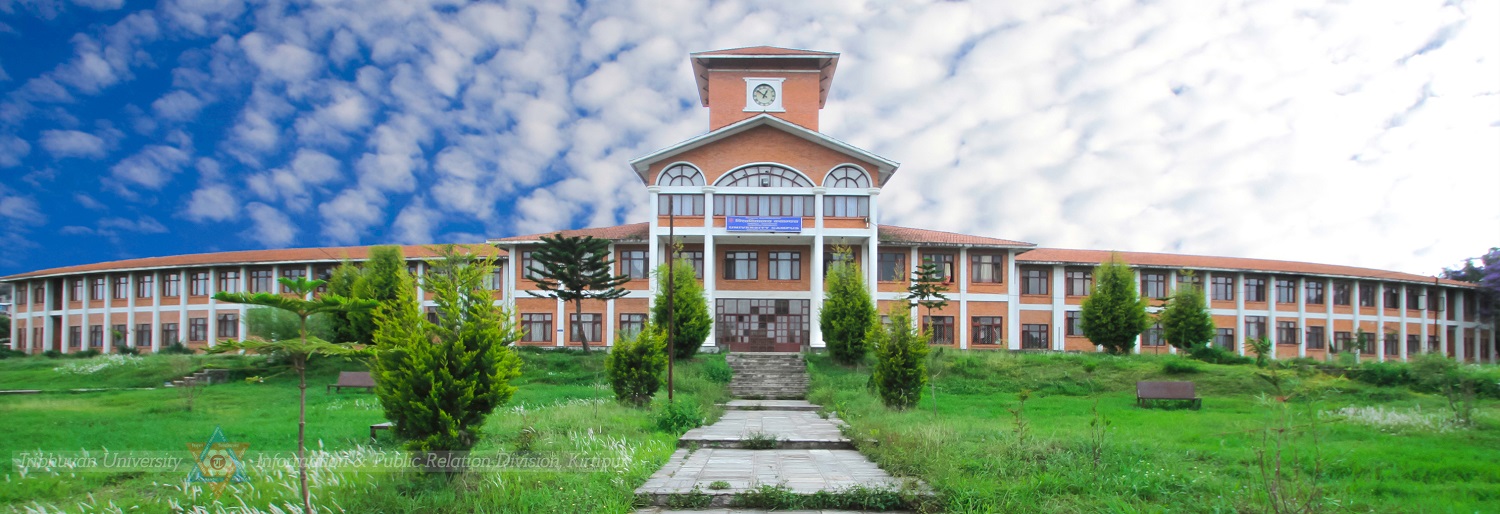
| Area | Details |
|---|---|
| Course | PhD in Buddhist Studies |
| Level | Doctoral |
| Department | Central Department of Buddhist Studies |
| University | Tribhuvan University |
| Location | Kirtipur, Kathmandu, Nepal |
| Duration | Typically a minimum of five years |
| Study Focus | Independent and original research |
| Academic Field | Buddhist Studies |
| Main Requirement | Doctoral research and thesis |
The PhD in Buddhist Studies is the doctoral-level academic program offered by the Central Department of Buddhist Studies at Tribhuvan University.
Its central purpose is to support advanced research within Buddhist Studies. Rather than following a fixed taught curriculum throughout the program, doctoral study is primarily organized around the student's selected research area.
Students work toward developing a research problem, examining existing scholarship, selecting suitable research methods, gathering and interpreting relevant material, and producing a thesis based on original academic work.
The program allows students to concentrate on a particular aspect of Buddhist Studies while developing the research and analytical abilities required for doctoral-level scholarship.
Duration: Typically a minimum of five years
The time required to complete the PhD in Buddhist Studies may vary according to the nature of the research, the student's progress, and individual circumstances.
Doctoral study involves several stages, including research planning, literature review, methodological preparation, research work, analysis, thesis preparation, and defense. Progress through these stages depends on the scope and development of the individual research project.
The PhD in Buddhist Studies is intended to strengthen advanced research and scholarly work in the field.
Its stated objectives include:
Developing advanced research abilities in Buddhist Studies.
Strengthening critical thinking within the student's chosen area of study.
Supporting original academic research related to Buddhism.
Contributing to scholarly discussion and knowledge in Buddhist Studies.
Developing specialized knowledge in a defined research area.
Preparing students for academic and research-related work in universities, research institutions, and related fields.
These objectives place independent inquiry and scholarly contribution at the center of the doctoral program.
Eligibility: Candidates should hold a master's degree or equivalent qualification in Buddhist Studies or a related field from a recognized university.
Applicants are also expected to demonstrate a strong academic background and research aptitude relevant to Buddhist Studies.
The program is therefore intended for students who already have postgraduate-level preparation and are ready to undertake sustained independent research.
The PhD program is mainly research-based. The exact academic and research activities may differ according to the student's topic and area of specialization.
Typical components include:
Research proposal development
Literature review within the chosen research area
Research methodology
Advanced research techniques
Data collection
Data analysis and interpretation
Thesis writing
Thesis defense
These components support the development of a doctoral research project from the initial research question through to the completed thesis.
A doctoral research project begins with defining an area of inquiry and developing a clear research proposal.
The proposal provides the academic direction for the study. It establishes the research focus and creates a framework for the work that follows.
For students in Buddhist Studies, the research topic may concentrate on a specific area within the broader discipline, depending on individual academic interests and specialization.
A substantial review of relevant scholarship forms part of the research process.
Students examine academic literature connected with their chosen topic to understand existing scholarship, identify relevant discussions, and position their research within the field of Buddhist Studies.
This stage also supports the refinement of the research problem and the development of an appropriate academic approach.
Students are expected to work with research methods suitable for their selected topic.
The research process includes methodological planning and the application of advanced research techniques. Depending on the nature of the study, students may undertake different forms of data or source collection, analysis, and interpretation.
Methodological decisions are tied to the specific research question and specialization of the doctoral candidate.
The thesis is the central academic work of the PhD program.
Students conduct independent research and organize their findings into a structured doctoral thesis. The thesis is expected to demonstrate advanced understanding of the selected research area and present original academic work within Buddhist Studies.
Research writing requires students to connect their findings with relevant scholarship, explain their methodology, analyze the material they have studied, and present their arguments in an academically structured form.
Thesis defense forms part of the doctoral research process.
After preparing the thesis, the student presents and defends the research as part of the completion of the PhD program.
This stage provides an academic setting for discussing the research, its methods, findings, and contribution to the selected area of Buddhist Studies.
Through sustained doctoral research, students are expected to develop advanced abilities related to academic inquiry.
These include:
Critical reading of academic literature
Research problem development
Research planning
Literature analysis
Application of research methodology
Collection and interpretation of research material
Academic argumentation
Scholarly writing
Presentation of research findings
Participation in academic discussion
The development of these abilities is closely connected with the student's research project rather than a separate general training pathway.
After completing the PhD in Buddhist Studies, students are expected to be able to:
Demonstrate advanced understanding of their selected research area within Buddhist Studies.
Conduct independent and original academic research.
Apply appropriate research methodologies and techniques.
Examine complex questions related to Buddhist Studies through structured research.
Analyze and interpret research material.
Produce a doctoral thesis that contributes to scholarly understanding within the field.
Present research findings in an academic setting.
Participate in scholarly discussion related to Buddhist Studies.
The precise academic focus of these outcomes depends on the student's specialization and doctoral research topic.
The PhD in Buddhist Studies may be relevant to postgraduate students whose academic interests are centered on Buddhism and who want to undertake long-term research in a specialized area.
It may suit candidates who are interested in:
Independent academic research
Buddhist thought and related areas of study
Scholarly writing
Research methodology
University-level academic work
Specialized doctoral study
Contribution to academic discussion in Buddhist Studies
Candidates should also be prepared for the sustained reading, research, analysis, and writing involved in doctoral study.
The program is offered through the Central Department of Buddhist Studies at Tribhuvan University in Kirtipur.
The department supports postgraduate and doctoral study in Buddhist Studies and includes research as part of its academic activity. PhD candidates undertake specialized research with faculty guidance while working within the department's broader academic setting.
The department also maintains academic interaction with national and international institutions, supporting scholarly exchange in Buddhist Studies.
A PhD in Buddhist Studies is primarily an advanced academic and research qualification. Career opportunities after graduation depend on the graduate's specialization, research experience, academic record, additional skills, and available positions.
Graduates may consider areas such as:
University teaching
Academic research
Research institutions
Cultural preservation organizations
Think tanks
Religious and spiritual organizations
Governmental organizations working in relevant cultural or religious areas
Non-governmental organizations working in related fields
Academic publishing
Research journals
Writing and editing
Conferences, symposiums, and academic workshops
A doctoral degree does not by itself guarantee employment in any of these areas. Individual opportunities depend on the requirements of the institution or organization and the candidate's qualifications and experience.
Doctoral research requires sustained academic writing.
Students work with research literature, develop arguments, organize findings, and prepare a thesis that communicates their research in a structured academic form.
The research experience may also support participation in academic publications, research journals, conferences, symposiums, and workshops related to Buddhist Studies.
Such activities depend on the student's research work and opportunities available during or after the doctoral program.
Completion of the PhD represents advanced specialization within Buddhist Studies.
Graduates interested in continuing academic work may remain involved in research, teaching, scholarly writing, academic discussion, conferences, or institution-based research activities.
The specific direction taken after graduation depends on the individual's research specialization and professional interests.
Fees and Scholarships: Students can contact the administrative office of the Central Department of Buddhist Studies for current information concerning the PhD in Buddhist Studies, including fees and scholarship-related matters.
The administrative office can also provide relevant information concerning eligibility, facilities, counseling, and other course-related administrative matters.
The main reason to consider this program is its focus on specialized doctoral research in Buddhist Studies.
Students are able to concentrate on a defined research interest and develop that topic through sustained academic inquiry. The program also provides faculty guidance during the research process.
For students interested in academic or research work, the program provides experience in research design, literature review, methodology, analysis, academic writing, thesis preparation, and research presentation.
The suitability of the program depends on the student's academic background, research interests, readiness for long-term independent work, and future academic or professional direction.
It is a doctoral research program offered by the Central Department of Buddhist Studies at Tribhuvan University in Kirtipur. The program focuses primarily on specialized and original research in Buddhist Studies.
The program is offered by the Central Department of Buddhist Studies, Tribhuvan University, Kirtipur, Kathmandu, Nepal.
The program typically takes a minimum of five years. Actual completion time may vary according to research progress and individual circumstances.
Candidates should hold a master's degree or equivalent qualification in Buddhist Studies or a related field from a recognized university and demonstrate suitable academic preparation and research aptitude.
Yes. The program primarily focuses on independent research within a chosen area of Buddhist Studies.
Research activities typically include proposal development, literature review, research methodology, data collection, analysis and interpretation, thesis writing, and thesis defense.
Yes. Students can specialize in a particular area within Buddhist Studies and conduct research related to that academic interest.
The principal academic output is a doctoral thesis based on independent and original research.
Graduates may consider academic teaching, research, cultural organizations, research institutions, relevant governmental and non-governmental organizations, academic publishing, writing, editing, and scholarly events. Opportunities depend on individual qualifications, experience, and institutional requirements.
Students can contact the administrative office of the Central Department of Buddhist Studies for current information concerning fees, scholarships, eligibility, facilities, counseling, and related administrative matters.