Sindhuli Community Technical Institute (SCTI) is a nonprofit community technical institution established in 2014 in Sindhuli district, Bagmati Province. It was formed through cooperation involving DCC Sindhuli, Kamalamai Municipality, and the Council for Technical Education and Vocational Training (CTEVT).
SCTI provides technical education in information technology, civil engineering, and agriculture. Its diploma programs operate under CTEVT, while the Bachelor of Technical Education in Information Technology is affiliated with Kathmandu University (KU). The B Tech Ed IT program has been offered at the institute since 2022.
| Area | Details |
|---|---|
| Institution | Sindhuli Community Technical Institute (SCTI) |
| Established | 2014 |
| Institution Type | Nonprofit community technical institution |
| District | Sindhuli |
| Province | Bagmati Province |
| Academic Bodies | Kathmandu University and CTEVT |
| Academic Areas | Information Technology, Civil Engineering, Agriculture |
SCTI currently offers one bachelor's program under Kathmandu University and two diploma programs under CTEVT.
SCTI was established as a community-based technical institution through a trilateral arrangement involving DCC Sindhuli, Kamalamai Municipality, and CTEVT. Its academic direction has centered on technical and vocational education linked with engineering, agriculture, and information technology.
The institution operates within two separate academic frameworks. The bachelor's program follows Kathmandu University requirements, while the diploma programs follow CTEVT curricula and academic regulations.
This distinction applies to eligibility, admission procedures, curriculum implementation, examinations, assessment, and academic awards. Students therefore follow the rules of the affiliating body responsible for their respective program.
The institute's stated mission focuses on preparing skilled technical human resources in response to community and industry needs. Its broader academic approach connects technical knowledge with practical application, professional preparation, and vocational learning.
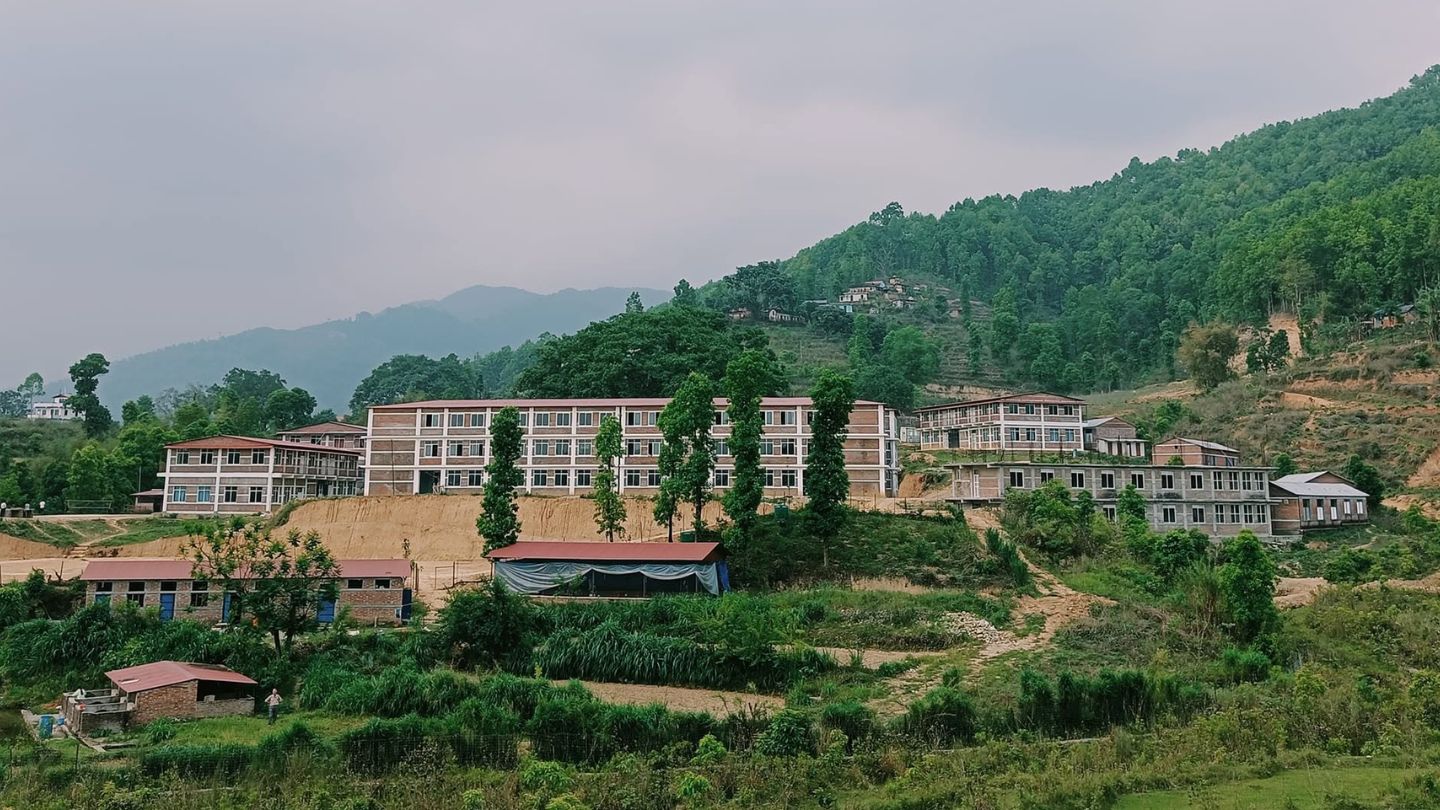
SCTI's institutional land information refers to locations within Kamalamai Municipality.
One site comprises 3.399 hectares of CTEVT-owned land at Nunthala, Ward No. 6, Kamalamai Municipality. The site is bordered by an entrance road on the northern side and seasonal streams toward the east and west. A Pipal and Barr tree stands within the area as a recognizable feature of the site.
A separate 2.7-hectare land area is associated with Tintaley Pathiparan, Kamalamai Municipality-8, Sindhuli. The institute is also identified with Tintaley Pathiparan as its general institutional location.
Available physical infrastructure includes:
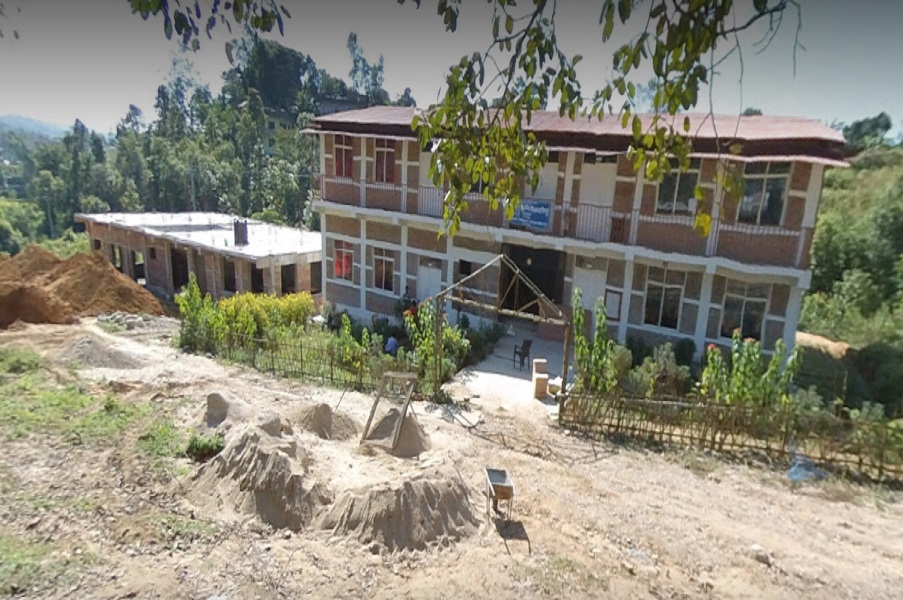
A three-story academic building with 19 rooms
A computer and Internet laboratory
A reading room
Classroom space for academic activities
These facilities support classroom instruction and the practical requirements of technical programs.
| Program | Affiliation | Duration / Seats |
|---|---|---|
| Bachelor of Technical Education in Information Technology (B Tech Ed IT) | Kathmandu University | 4 years / 30 seats |
| Diploma in Civil Engineering | CTEVT | 3 years / 48 seats |
| Diploma in Agriculture (Veterinary Science) | CTEVT | 3 years / 40 seats |
Each program follows the curriculum, admission requirements, examination system, and award provisions prescribed by its respective academic body.
The Bachelor of Technical Education in Information Technology (B Tech Ed IT) is a Kathmandu University-affiliated undergraduate program offered at SCTI. It has a four-year duration and 30 seats.
The program is structured across eight semesters with a total of 136 credit hours. Its curriculum combines information technology with education, vocational learning, research, and professional practice.
The credit distribution includes:
91 credits in Information Technology
12 credits in IT Mathematics
18 credits in Education Core courses
6 credits in vocational courses
9 credits in research and internship components
The program includes study in computing and information technology alongside educational foundations, communication, curriculum-related subjects, instructional design, assessment, research, projects, internships, and work-based learning.
Later stages of the program place greater emphasis on connecting academic knowledge with practical and professional settings.
Eligibility: Eligibility follows Kathmandu University requirements for the B Tech Ed IT program.
Admission and Entrance: Application, entrance, selection, and admission follow Kathmandu University rules applicable to the program.
Curriculum: Students study according to the Kathmandu University curriculum prescribed for B Tech Ed IT, including semester, credit, practical, research, and internship requirements.
Examinations and Degree Award: Assessment, examination, completion requirements, and degree award are governed by Kathmandu University academic regulations.
The Diploma in Civil Engineering is a three-year CTEVT-affiliated program with 48 seats.
The course is organized across six semesters and is intended to prepare middle-level technical personnel in civil engineering. The curriculum begins with foundational subjects and moves into specialized civil engineering study.
Major areas include:
Mathematics, Physics, and Chemistry
Communication-related subjects
Surveying
Building Construction
Construction Drawing and CAD
Engineering Materials
Estimating and Costing
Mechanics of Structure
Soil Mechanics and Foundation Engineering
Water Supply Engineering
Transportation Engineering
Sanitary Engineering
Construction Management
Reinforced Concrete Structures
Steel and Timber Structures
Water Resources and Irrigation Engineering
Field Survey
Project Work
Practical work forms part of the academic and assessment structure.
Eligibility: Entry follows CTEVT requirements for the Diploma in Civil Engineering, including the applicable SLC, SEE, or Pre-Diploma route and entrance provisions.
Admission and Entrance: Admission is conducted under CTEVT procedures applicable to diploma-level study.
Attendance: Students are required to maintain the prescribed attendance in each subject to become eligible for the respective final examination.
Examinations: Theory, practical work, internal assessment, semester examinations, and back-paper provisions are governed by CTEVT regulations. Theory and practical components are assessed separately.
Award: Students who complete all required academic components receive the Diploma in Civil Engineering under the CTEVT system.
The Diploma in Agriculture (Veterinary Science) is a three-year CTEVT-affiliated program with 40 seats.
Within the CTEVT curriculum, the formal program title is Diploma in Agriculture (Animal Science). The course follows a three-year yearly system. Each academic year consists of 35 academic weeks excluding the evaluation period.
The program also includes a six-month internship during the third year, adding workplace-based learning to its academic structure.
The curriculum covers areas such as:
Animal Nutrition
Animal Health
Introductory Animal Science
Applied Animal Breeding
Animal Husbandry
Extension and Communication
Animal Product Technology
Clinical Practice
Agricultural Economics, Marketing, and Cooperatives
Aquaculture and Fisheries
Entrepreneurship Development
Internship
Foundational science subjects are included during the earlier stage of the program. The later stages give greater attention to clinical practice, animal management, enterprise-related study, and workplace experience.
Eligibility: Entry follows CTEVT requirements for the Diploma in Agriculture program, including applicable SLC, SEE, equivalent, or Pre-Diploma pathways and entrance provisions.
Admission and Entrance: Admission and selection follow CTEVT rules applicable to the program.
Attendance: Students are required to maintain the prescribed attendance in each subject to appear in the final examination.
Examinations: Theory and practical components are assessed separately. Internal assessment, yearly final examinations, re-examination, and supplementary examination provisions follow CTEVT regulations.
Award: Students who successfully complete all required subjects and program components receive the Diploma in Agriculture (Animal Science) under the CTEVT system.
SCTI operates programs under two different academic bodies, and the governing regulations depend on the affiliation of the course.
For B Tech Ed IT, Kathmandu University determines:
Eligibility requirements
Admission and entrance procedures
Curriculum structure
Academic assessment
Examination requirements
Degree completion and award
For Diploma in Civil Engineering and Diploma in Agriculture, CTEVT determines:
Eligibility requirements
Admission and entrance procedures
Curriculum implementation
Attendance requirements
Internal assessment
Theory and practical examinations
Re-examination provisions
Grading and certification
Students at SCTI may therefore follow different academic calendars, assessment systems, and certification processes depending on the program in which they are enrolled.
SCTI's stated goals focus on educational opportunity, technical workforce development, institutional management, and alignment between academic programs and community or industry needs.
Its main areas of institutional focus include:
Creating educational opportunities and maintaining continuity in education
Aligning programs and services with student, community, and industry needs
Strengthening institutional infrastructure, leadership, and accountability
Working toward quality management
Developing sustainable resources and industry partnerships
The institute's academic combination of information technology, civil engineering, and animal science provides three distinct technical education routes. Each program follows its own regulatory and curricular framework, while practical learning remains an important part of the academic structure.
SCTI was established in 2014 as a nonprofit community technical institution in Sindhuli.
The B Tech Ed IT program is affiliated with Kathmandu University. Diploma in Civil Engineering and Diploma in Agriculture are affiliated with CTEVT.
SCTI offers:
Bachelor of Technical Education in Information Technology
Diploma in Civil Engineering
Diploma in Agriculture (Veterinary Science)
B Tech Ed IT has 30 seats, Diploma in Civil Engineering has 48 seats, and Diploma in Agriculture has 40 seats.
The B Tech Ed IT program runs for four years across eight semesters under Kathmandu University.
Both diploma programs run for three years. Diploma in Civil Engineering follows a six-semester system, while Diploma in Agriculture (Animal Science) follows a yearly system.
The institute has a three-story building with 19 rooms, a computer and Internet laboratory, a reading room, and classroom facilities.